The Exercise Guide
Walk briskly most days, lift twice a week, and start smaller than you think. The first hour a week does the most.
Updated November 15, 2026. 26 guide pages, 33 questions, 8 myths, from 118 published sources.
- Cardio: 0 of 150 minutes.
- Strength: 0 of 2 days.
Brisk minutes Hard minutes, counted twice Strength days
How much exercise do I need?
Tap in a normal week. The ring fills as you go, and nothing leaves this browser.
Under 18? These tools are for adults. How much exercise does a teenager need?
What do you want from it?
Every reason has its own best first step. Pick yours.
 Lose weightWhat exercise can and can't do for the scale
 Stay strong and steady as I ageStrength, balance and the 150 after 65
 Run my first 5KFrom one minute of running to thirty
 Lower my blood pressureHow many points, and how fast
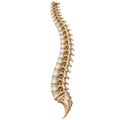 Ease my back painWhich exercise helps, and when to see a doctor
 Live longerHow much does the most, and where it flattens
 Undo a desk jobThe hour that offsets a day in a chair
 Feel betterWhich exercise eased depression most
 Keep muscle on a GLP-1Lift first, then walk
Every kind of exercise, by what it builds
Heart and lungs and strength every week, balance more with each decade, and play to keep it fun. The map of exercise types has what each is good for and how to start.
 Heart and lungs
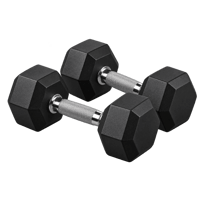 Strength
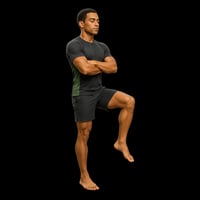 Balance and mobility
 Play
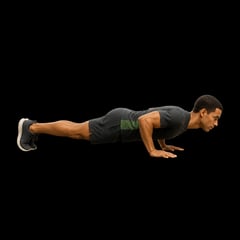
The questions people ask
How much do I need?
- Can you exercise too much?Not for a long life. In 661,137 adults, 10 times the minimum still went with 31% lower risk of death. Most of the gain came by 3 to 5 times, so more is optional.
-
 Is 30 minutes of exercise a day enough?Yes, if it's brisk. 30 minutes on five days is the 150-minute US minimum. More helps a little, up to about an hour a day, and add strength on two days.
-
 What counts as moderate exercise?Anything where you can talk but not sing, like walking at 2.5 mph or about 100 steps a minute. It all counts toward the 150 minutes, even in short bouts.
-
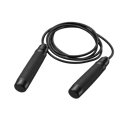 What counts as vigorous exercise?When you can only say a few words before a breath: running, laps, singles tennis, jumping rope. Every hard minute counts as two toward the 150.
- What is the best exercise?The one you'll keep doing, plus some lifting. People who did both aerobic exercise and strength work had 40% lower risk of death than people who did neither.
Getting started
- How do I start working out?Smaller than you think: three 10-minute brisk walks and two short strength sessions in week one, then add a little each week. The first hour does the most.
- How does Couch to 5K work?Three runs a week for about nine weeks, starting with 1 minute running and 90 seconds walking, until you run 30 minutes straight. Repeating a week is fine.
-
 How long should a beginner workout be?10 to 20 minutes is plenty. The US guideline dropped its 10-minute rule in 2018, so a short walk and a few moves beat a long plan you skip.
- How long until exercise shows results?You sleep and feel better within days, get stronger in a few weeks and fitter in 6 to 12. Eight weeks of intervals raised VO2 max 7% in one trial. The scale is slowest.
-
 What are exercise snacks, and do they work?Short hard bursts in your day, like a fast flight of stairs. Non-exercisers who got about 4 minutes a day of these had 26% to 30% lower risk of death.
Steps and walking
-
 How fast is a brisk walk?About 100 steps a minute, or 2.5 mph and up. Count your steps for 15 seconds and multiply by 4. If you can talk but not sing, you're there.
-
 How long does it take to walk 10,000 steps?About 100 minutes at a brisk 100 steps a minute. You don't need it in one go, since all your day's steps count, and under 60 the benefit flattened at 8,000 to 10,000.
- How many calories does walking burn?About 100 to 250 in 30 minutes, set by your weight and pace. Walking at 3.5 mph burns about a third more a minute than 3 mph, and both count toward your 150.
- How many steps a day does an older adult need?6,000 to 8,000. In 15 cohorts, the benefit for people 60 and up leveled off there, sooner than for younger adults. Even 4,400 helped older women.
- How many steps a day should I walk?8,000 to 10,000 under 60 and 6,000 to 8,000 at 60 and up, where the drop in risk flattened. 7,000 against 2,000 already went with 47% lower risk of death.
Fitting it in
-
 Do my steps count toward the 150 minutes?Only the brisk ones. Steps at about 100 a minute or faster count as moderate. Slower steps still help your health, they just don't add to the 150.
-
 How do I exercise with a desk job?Find about an hour of moving a day, in pieces. In a million adults, people who sat 8+ hours but moved 60 to 75 minutes a day had no clear extra risk.
- How many days a week should I work out?As many as you'll keep. In 350,978 US adults, the same minutes in one or two days did as well as spreading them out. Fit strength on any two days.
- What time of day is best to work out?Whenever you'll do it. Hard sessions that end within 4 hours of bed pushed sleep later in 14,689 WHOOP wearers, and ones that ended earlier didn't.
Exercise and weight
-
 Does exercise help you keep weight off?Yes, that's where it shines. People who kept weight off tended to move more than 250 minutes a week, though no good trial has tested it directly.
- How many calories does running burn?About 100 a mile above sitting at 160 pounds, more if you weigh more. Pace barely changes a mile's cost. Thirty minutes is about 250 to 450, set mostly by your weight.
- How much exercise do I need to lose weight?More than for health: over about 4 hours a week for a clear loss, says the ACSM. Your body makes up about a quarter of the burn, so food sets the pace.
Is your watch right about calories? (tdee.guide)Calories in a mile of walking (tdee.guide)Why the scale stalls when you exercise (bodyfat.guide)
Age and life stages
- Can I exercise while pregnant?Yes, unless your provider says otherwise. The US guideline asks for 150 minutes a week of moderate activity, and if you trained hard before, you can usually keep going.
-
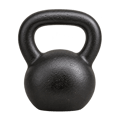 How do I start exercising after 50?Lift first and walk every day. Strength fades faster than muscle with age, two short strength sessions a week slow it, and brisk walks cover the cardio half.
-
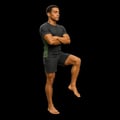 How much exercise do seniors need?The same 150 minutes and two strength days, plus balance. Exercise cut falls by 23% in 108 trials of people 60 and up, so balance is part of the plan.
- How much exercise does a teenager need?An hour a day, most of it brisk or harder, with hard activity, muscle work and bone work each on at least 3 days a week. Supervised lifting is fine for teens.
Health and safety
- Does exercise help depression?Yes. Across 218 trials, walking or jogging, yoga and lifting eased depression the most, more at a harder effort. Use it alongside therapy or medicine.
- Does exercise lower blood pressure?Yes, by about 5 to 8 points if yours is high and 2 to 4 if it isn't, within weeks. bloodpressure.guide has the full table and how to test it.
- What exercise is best for lower back pain?The kind you'll keep doing. Walking, strength work, yoga and tai chi all helped in trials. Keep moving instead of resting in bed, and know the warning signs first.
-
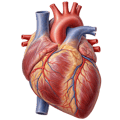
 What should I do if I get chest pain while exercising?Stop. Chest pain or pressure, pain in your arm, jaw or back, or feeling faint means call 911 right away. Don't wait to see if it passes.
Facts worth repeating
1950sLondon buses
The first evidence came from London buses in the early 1950s: the conductors who climbed the stairs all day had less heart disease than the drivers who sat.
10,000was a slogan
10,000 steps came from Japanese walking clubs and a business slogan, not a study. In a 2025 review of 57 studies, most of the drop in risk came by about 7,000.
4 mina day of bursts
In 25,241 UK adults who never exercised, about 4 minutes a day of hard bursts in daily life, like a fast flight of stairs, went with 26% to 30% lower risk of death.
13%stronger legs
Adults around 63 who walked 3 minutes fast and 3 minutes easy, five times, four days a week, got 13% stronger legs and 9% more walking fitness in five months.
28%made up quietly
In 1,754 adults, the body quietly made up about 28% of the calories extra activity burned, which is why the scale moves less than the treadmill says.
10xthe guideline
In 661,137 adults, 10 times the guideline still went with 31% lower risk of death than doing nothing, so there was no sign that more hurts.
2 daysdid as well as 5
In 350,978 US adults, weekend warriors did as well as everyday exercisers when the total minutes matched.
Myth or fact?
 No
A workout has to be at least 30 minutes to count
 Not the way you think
You need 10,000 steps a day
 No
Walking isn't real exercise
 Not the way you think
Exercise is the best way to lose weight
 No
Weekend-only workouts don't count
 No
Too much exercise wears out your heart
 Yes, but
Working out at night ruins your sleep
 Not the way you think
Sitting is the new smoking
Quick tools
Your week
Your brisk and hard minutes, strength days and steps on both halves of the US guideline, and the one change that adds the most.

Today's session
A short safety check, then a walk, intervals, a strength circuit, a stair burst or a balance set, played full screen with a voice and a beat.
Steps for your age
Your daily steps on the published curve for your age, and how many more reach the part where it flattens.
Is my walk brisk enough?
Tap along for 15 seconds as you walk. Your steps a minute, the talk test, and how much of the 150 it covers.
Does my workout cancel my sitting?
Your hours sitting and minutes moving against a million adults, and three ways to find the hour.
Calories burned calculator
Walking, running, cycling, the gym or the yard: the calories in all, the part above sitting, and how much of your 150 it counts.
Where do I start?
The quiz: eight taps, your starting level and a first week sized to where you are.
The guide
How to exercise: walk most days and lift twice a week
How to exercise: walk briskly most days, lift twice a week and start smaller than you think. The first hour a week does the most. The map and a simple plan.
 How much exercise do you need?
 When and how often should you work out?
 How much cardio do you need, how hard, and which kind is best?
 Why lift if you already walk?
 What counts as exercise?
 What kinds of exercise are there, and what is each one good for?
 Exercise for beginners: how to start after years off
 How many steps do you need?
 Does a workout cancel a day of sitting?
 Who should check with a doctor first?
 What can exercise do for your weight?
How much cardio do you need, how hard, and which kind is best?
150 brisk minutes a week, or 75 hard ones, in any kind you'll keep doing. Mostly steady, some hard. Walking, running, cycling, swimming and rowing, each in depth.


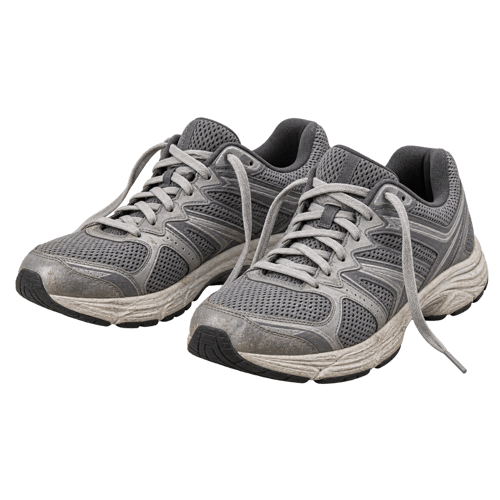
Exercise for beginners: how to start after years off
Start low and go slow: three short walks and two short strength sessions, then one change in week three. Your first hour a week is the biggest gain you'll make.
- Beginner workout plan: your first four weeks
 What do you do at the gym the first time?
 How do you fit exercise into a desk job?
 How do exercise snacks work, and how do you do them?
 How do you get your exercise on weekends only?
 How do you keep exercising after the first month?
- How to exercise at home with no equipment
